🏔️ Get the free Colorado Springs Local Cheat Sheet
A 20-year local’s shortlist, best taco, best hike, the Garden of the Gods timing trick, and more. Plus a short weekly email on what’s happening around town. Free.
I’ve Lived Here 20 Years. Here’s the Honest Truth About Colorado Springs for Retirees.
I’ve lived in Colorado Springs for over two decades, and I’ve spent plenty of time around the retirees who make up a big part of this city. I chose this place to settle down after a lot of travel, and I’ve watched it grow, change, and evolve. So when people ask whether the Springs is a good place to retire, I have a grounded answer.
The short answer: Colorado Springs is an outstanding place for retirees who want an active, outdoor lifestyle. But it’s not perfect, and I’d be doing you a disservice if I didn’t talk about the real challenges alongside the highlights. So here’s my honest take on Colorado Springs for retirees: from someone who’s lived here for over two decades and knows the community well.
Why Retirees Move to Colorado Springs
There are some things about this city that are genuinely hard to beat, and they’re the same reasons I chose it over everywhere else I visited.
Over 300 sunny days a year. This is not marketing fluff. Colorado Springs gets more sunshine than San Diego, Miami, or Phoenix on an annual basis. That sun makes a real difference in your daily quality of life, especially as you get older and seasonal depression becomes a real concern. You can be outdoors here in January. The snow melts fast. Gray, dreary weeks are rare.
The outdoor lifestyle is top-notch. Garden of the Gods is free and open year-round. There are dozens of hiking trails right inside the city limits. The trail system connects parks and neighborhoods so you can walk, bike, or e-bike for miles without getting on a road. Pikes Peak is literally in your backyard. This isn’t a city where you drive 45 minutes to “get to nature.” Nature is right here.
The military and veteran community. With five military installations, Fort Carson, Peterson Space Force Base, Schriever Space Force Base, Cheyenne Mountain, and the Air Force Academy, Colorado Springs has one of the largest military communities in the country. That translates to excellent VA healthcare, a strong sense of community and service, and a population that skews active and disciplined. If you’re a veteran, you’ll feel at home here immediately.
Cost of living is lower than you think. Compared to Denver (30 minutes north), Boulder, or any coastal city, Colorado Springs is significantly more affordable. Property taxes are reasonable. There’s no city income tax. Groceries, utilities, and dining out are all close to national average. You can buy a nice home in a good neighborhood for $400K-$500K, try doing that in Boulder or San Diego.
The pace of life is manageable. This isn’t Denver. It’s not a frantic urban environment. Traffic exists but it’s nothing like what you’d deal with in a major metro. The city is spread out, which means neighborhoods have space and character. You can live on the west side near the mountains and feel like you’re in a small town, even though you’re ten minutes from everything you need.
Best Neighborhoods for Retirees
Where you live in Colorado Springs matters a lot. The city is big, about 200 square miles, and the feel changes dramatically depending on which side of town you’re on.
The West Side (my neighborhood). If you want to be close to the mountains, hiking trails, and the outdoor lifestyle, the west side is where you want to be. Old Colorado City, Skyway, and the neighborhoods near Ute Valley Park and Garden of the Gods put you right in the action. I live on the west side and I can be on a trail in five minutes. The trade-off is that homes tend to be older and you’ll pay a premium for the location, but in my opinion, it’s worth every penny.
Broadmoor / Cheyenne Mountain. If you’re looking for something more upscale and don’t mind paying for it, the Broadmoor area is beautiful. Tree-lined streets, views of the mountains, close to the Broadmoor resort and Cheyenne Mountain State Park. It’s quieter, more established, and attracts a lot of retirees who want a polished lifestyle near the mountains.
Briargate / Northgate. The north end of town is newer, well-planned, and full of amenities, shopping, restaurants, medical facilities. It’s more suburban than the west side, but it’s convenient and many of the neighborhoods have walking trails, community centers, and easy access to the Air Force Academy area. Good option if you want newer construction and don’t mind being a little farther from the mountain trailheads.
Monument / Palmer Lake (just north). If you want a small-town feel with easy access to Colorado Springs, Monument and Palmer Lake are worth a look. They’re about 15-20 minutes north, have their own character and community, and sit right along the Front Range trail system. Property tends to be more affordable than in-town, and the views are incredible.
Healthcare for Retirees
Healthcare matters more as you age, and I’ll be straight with you: Colorado Springs has good healthcare, with some caveats.
The good: UCHealth Memorial Hospital is a major regional medical center with strong cardiology, orthopedic, and emergency services. Penrose-St. Francis is another solid option. There are multiple urgent care and specialty clinics around town. If you’re a veteran, the VA clinic on the east side provides primary care, and the Denver VA Hospital is an hour north for specialized treatment.
The reality check: For highly specialized care, certain surgeries, rare conditions, cutting-edge treatments, you may need to go to Denver. It’s only 60-70 minutes on I-25, and many people make that drive regularly. It’s not a dealbreaker, but it’s worth knowing. I deal with complex eye conditions myself, and while I have good ophthalmologists here in the Springs, I’ve considered Denver and even out-of-state specialists for certain things.
If you’re on Medicare, you’ll find plenty of providers who accept it. The healthcare infrastructure is solid for a city this size. Just know that if you have very specific medical needs, you’ll want to research provider availability before you move.
The Altitude and Climate Reality at 60+
Here’s where I’m going to be really honest, because this is the part most “Colorado Springs is great for retirees” articles skip over.
Colorado Springs sits at 6,035 feet elevation. That matters. The air is thinner, the oxygen saturation is lower, and your body works harder just existing here than it would at sea level. For most healthy people, you acclimate within a few weeks and don’t think about it again. But as you get older, altitude becomes a bigger factor.
The dry air is relentless. Humidity regularly drops below 20% here. Your skin will be dry. Your eyes will be dry. Your sinuses will be dry. I deal with severe dry eye, and the Colorado climate is a constant battle. Humidifiers, eye drops, and good skincare aren’t optional here, they’re essential. If you already have respiratory issues, dry eye, or skin conditions, the altitude and dryness will make them more pronounced.
Sleep can be affected. At this altitude, some people, especially those with sleep apnea or other breathing issues, find that sleep quality decreases. The lower oxygen saturation at night can make a difference, particularly as you age. This isn’t a universal problem, but it’s worth being aware of.
The UV is intense. Higher altitude means less atmosphere filtering the sun’s rays. You’ll burn faster, and long-term sun exposure at this elevation is something to take seriously. Sunscreen, hats, and UV-protective sunglasses aren’t just for hiking, they’re for every day.
I’ll be transparent about one thing: the altitude here isn’t for everyone. Some people find the elevation affects how they feel, especially with certain health conditions, and a few end up choosing somewhere lower. For most retirees in good health, the altitude is manageable and the benefits of living here far outweigh the adjustment. But I want you to have the full picture.
Cost of Living in Retirement
Colorado Springs is more affordable than most people expect, especially compared to other desirable retirement destinations.
Housing: You can find a solid 3-bedroom home in a good neighborhood for $375K-$500K. That’s significantly less than Denver, and a fraction of what you’d pay in Scottsdale, San Diego, or Asheville. Property taxes in El Paso County are reasonable, typically $2,000-$3,500 annually on a median-priced home. Colorado also offers a property tax/rent/heat credit for qualifying seniors that can offset some of your costs.
No state income tax on Social Security. Colorado exempts Social Security benefits from state income tax for residents 65 and older, and the exemption is generous for those 55-64 as well. That’s real money staying in your pocket every year.
Groceries and dining: Right around national average. You’re not going to get sticker shock at King Soopers or Safeway. Dining out is reasonable, a good dinner for two at a local restaurant runs $50-$80 including drinks, which is comparable to most mid-size cities.
Healthcare costs: This varies widely based on your insurance situation, but Colorado’s Medicare Advantage options are competitive. UCHealth and Centura Health both participate in most plans.
Where it gets expensive: home insurance has been climbing due to wildfire risk (especially on the west side and in the foothills), and heating costs in winter are above average because the altitude means colder temperatures and longer heating seasons.
What Retirees Actually Do Here
One thing I love about retiring in Colorado Springs is that you’ll never run out of things to do, and most of them don’t cost much.
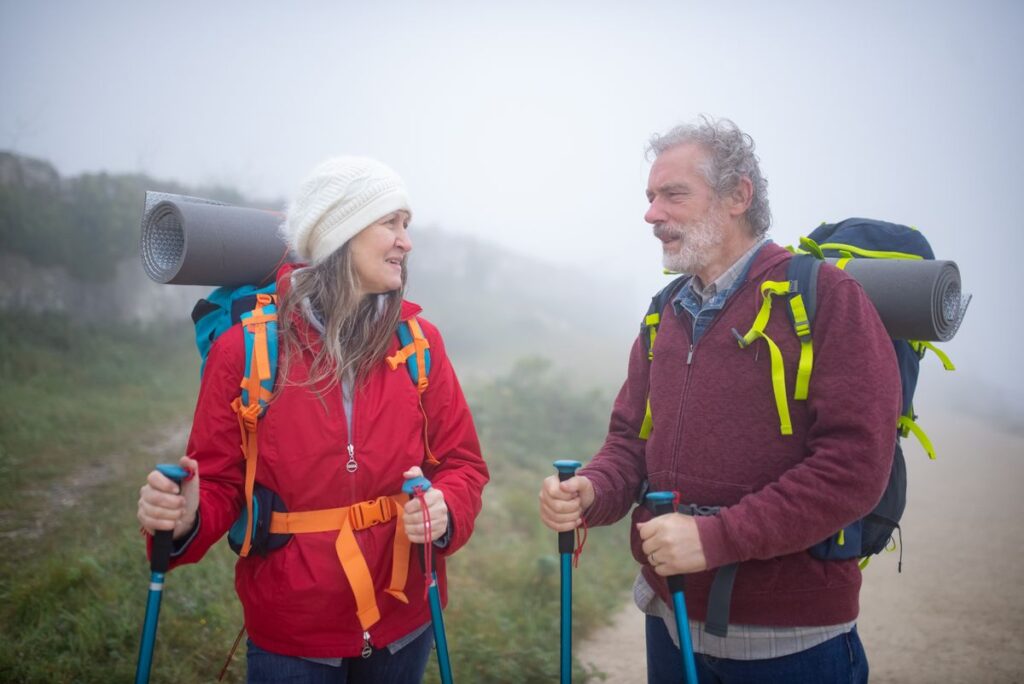
Hiking and walking: The trail system is extensive, free, and accessible at every fitness level. You don’t have to summit Pikes Peak to enjoy the outdoors here. Gentle walks through Garden of the Gods, Ute Valley Park, and Palmer Park are perfect for retirees who want to stay active without pushing too hard.
E-biking: This has become huge in Colorado Springs, and it’s perfect for retirees who want to cover more ground without the physical strain of traditional cycling. The paved trail network is excellent, and e-bikes let you ride for hours at a comfortable pace. I do 25-mile rides regularly, and the e-bike makes that easy at my age.
Golf: Multiple courses across the city, including some with views that’ll make you forget your score. The Broadmoor and Cheyenne Mountain Country Club are the premier options, but there are solid public courses too.
Arts and culture: The Fine Arts Center, Pikes Peak Center for the Performing Arts, and a growing gallery scene in Old Colorado City give you plenty of cultural options. First Friday Art Walks in OCC are a monthly highlight.
Volunteering and community: There’s a strong volunteer culture here, driven in part by the military community. The city’s senior services offer programs, fitness classes, and social activities. The senior centers are well-run and genuinely useful, not just a place to play bingo.
Scenic drives: When you don’t feel like hiking, the drives west into the mountains are first-rate. Highway 67 to Cripple Creek, Gold Camp Road, Phantom Canyon, I’ve been driving these roads for twenty years and they still take my breath away.
Part-time work: If you want to stay busy and earn some extra income, Colorado Springs has a healthy job market. The military installations, healthcare systems, and growing tech sector create opportunities for experienced professionals who want to work part-time or consult.
The Honest Pros and Cons
Pros
- 300+ sunny days, seasonal depression is rare here
- Some of the best around outdoor recreation right in the city
- Lower cost of living than Denver, Boulder, or coastal cities
- No state income tax on Social Security (65+)
- Strong military and veteran community
- Safe, clean, well-maintained city
- Close to Denver for travel and specialized healthcare
- Manageable traffic and a slower pace than big metros
- Four distinct seasons, you get fall colors, mild winters, and gorgeous springs
Cons
- Altitude (6,035 ft) affects some people, especially those with respiratory or cardiovascular conditions
- Extremely dry climate, hard on eyes, skin, and sinuses
- Wildfire risk, especially on the west side and in the foothills
- Hailstorms in summer can be severe, car and home insurance reflect this
- Specialized medical care may require a trip to Denver
- Winter driving in the mountains requires caution (though in-town roads clear quickly)
- The city is growing fast, traffic and development are increasing
Would I Recommend Colorado Springs for Retirement?
Yes, with the caveat that you need to be honest with yourself about the altitude and climate. If you’re in good health and you want an active retirement with sunshine, mountains, and a strong community, Colorado Springs is one of the best places in the country to retire. The quality of life here is genuinely high, and the cost is lower than most comparable cities.
If you have health conditions that are affected by altitude or dry air, do your research and maybe plan an extended visit, a month or longer, before committing. Rent first. See how your body responds. That’s exactly what I’d tell anyone.
I love this city. I chose it over everywhere else I’ve been, and I’ve been a lot of places. For anyone weighing it, the only real caveat is the altitude and climate, not the quality of life here. For most retirees, Colorado Springs will exceed your expectations. Just come prepared for the dryness, the sun, and the altitude, and bring a good pair of hiking shoes.
Looking for more? Check out the AARP Livable Communities resources, and browse our guides to cost of living, neighborhoods, and hiking trails to start planning your move.
About the Author: Dominic has lived in Colorado Springs for over 20 years. He spent his career in IT and chose the Springs for its scenery, sunshine, and outdoor lifestyle. He lives on the west side, where he e-bikes, camps, and explores the mountains regularly. His recommendations come from two decades of eating, hiking, and living here, not from a weekend visit.
More Colorado Springs Guides
- Colorado Springs vs Fort Collins: Which One’s Actually Better to Live In?
- Why Colorado Springs Will Steal Your Heart (And Maybe Your Moving Plans)
- The West Side vs the East Side: A Local’s Honest Take on Colorado Springs Neighborhoods
