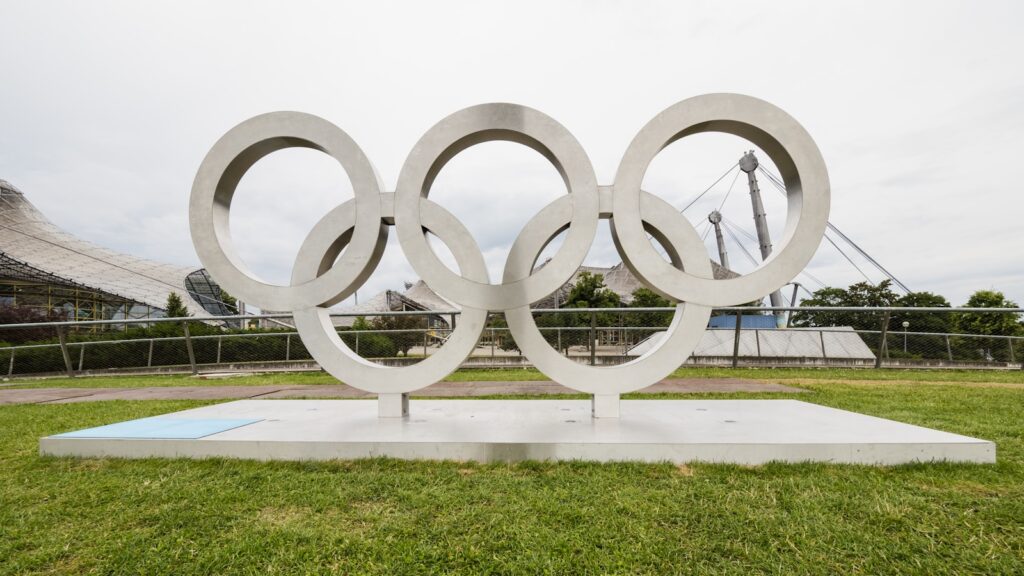
Get ready for Milano Cortina 2026! Explore our Colorado Springs Olympic City USA itinerary featuring the USOPM, Training Center tours, and the Manitou Incline.
The countdown is on. It is December 2025, and the world is holding its breath for the lighting of the cauldron at the Milano Cortina Winter Games. While the eyes of the world turn toward Italy for the 2026 spectacle, the heart of Team USA is beating right here in the Rocky Mountains.
Welcome to Colorado Springs, officially branded as Olympic City USA. This isn’t just a marketing slogan; it is the administrative headquarters of the US Olympic & Paralympic Committee (USOPC) and the training ground where sweat becomes gold.
With the Winter Games just weeks away, the energy in the Pikes Peak region is palpable. Flags are flying, athletes are tapering their training, and the city is buzzing with patriotic fervor. If you are a sports enthusiast or a family looking for an inspirational vacation before the opening ceremonies, this is your gold medal itinerary.
Why Visit ‘Olympic City USA’ Right Now?
There is no better time to visit Colorado Springs than the months immediately preceding an Olympic Games. The city transforms into a hub of anticipation.
Historically, Colorado Springs secured the “Olympic City USA” moniker due to the immense infrastructure present here. It is home to the flagship United States Olympic & Paralympic Training Center, over 20 National Governing Bodies of Sport (NGBs)—including USA Hockey and USA Figure Skating—and the stunning US Olympic & Paralympic Museum.
Why the “Pre-Games” window is special:
- Athlete Visibility: While many top-tier athletes are already in Europe acclimating, the developmental squads and Paralympic teams are often in their final intensive blocks right here in the Springs.
- The Atmosphere: Local businesses, from breweries to bakeries, roll out Team USA-themed specials.
- The Weather: December in Colorado offers the crisp, high-altitude air that winter athletes thrive in, setting the perfect mood for the upcoming Winter Games.

1. The Crown Jewel: The US Olympic & Paralympic Museum (USOPM)
If you only have time for one stop, this must be it. Opened in 2020 and now fully matured into one of the nation’s premier cultural institutions, the US Olympic & Paralympic Museum is not a dusty collection of old jerseys. It is a hyper-immersive, accessibility-first marvel of technology.
The Tech-Forward Experience
Upon entry, you are registered with an RFID-enabled pass. As you move through the 60,000-square-foot facility, the exhibits recognize you. Content is automatically adjusted to your accessibility needs (audio descriptions, larger text) and even your favorite sports.
Must-See Exhibits for the 2026 Season:
- The Parade of Nations: A 360-degree immersive tunnel that simulates the feeling of walking into the Opening Ceremony stadium. In late 2025, expect updated visuals teasing the Italian venues.
- Athlete Training Lab: This is where you get hands-on. Test your reaction time against a goalie, try the 30-meter dash, or see how your wingspan compares to a swimmer’s. It uses advanced motion tracking to gamify athletic performance.
- The Winter Games Gallery: This section is currently highlighted to celebrate the history of winter sports, featuring artifacts from the “Miracle on Ice” team and Apolo Ohno’s speed skates.
Accessibility as a Standard
The museum was designed to be one of the most accessible museums in the world. Ramps weave seamlessly through the building (no stairs required for the main tour), and every video features open captions and ASL interpretation. It is a profound tribute to the Paralympic movement.
Pro Tip: Allocating 2 to 3 hours here is standard, but true enthusiasts should plan for 4. The “Summer vs. Winter” simulator is addictive.
2. The Engine Room: Touring the Olympic & Paralympic Training Center
While the Museum celebrates the glory, the Olympic & Paralympic Training Center (OPTC) reveals the grind. Located on Boulder Street, this campus is where the magic is engineered.
Can You See Athletes Training?
This is the most common question. The answer is: Yes, but it’s luck of the draw.
The OPTC is a working facility, not a theme park. As you take the guided tour, you walk along elevated pathways and behind glass observation decks. You might see the Men’s Gymnastics team on the pommel horse, Paralympic swimmers doing laps, or wrestlers drilling takedowns.
However, be aware that in December 2025, access to certain zones may be restricted due to “bubble” protocols or final focused preparation for athletes departing for Italy.
The Tour Highlights
- The Aquatics Center: An incredible facility designed with underwater cameras and altitude-adjustment capabilities.
- The Strength & Conditioning Center: Massive, state-of-the-art gyms where you realize just how strong these humans actually are.
- The Dining Hall: You won’t eat here, but you’ll see where the meticulously calculated nutrition happens. The tour guides often share fascinating stats about the sheer caloric intake of winter athletes (some consume 6,000+ calories a day!).
Related Video: Inside the Colorado Springs Olympic Training Center
3. The Physical Challenge: Conquering The Manitou Incline
You’ve watched the history, you’ve seen the training—now it’s time to test yourself. The Manitou Incline is legendary among locals and Olympians alike. Originally a cable car track for a hydroelectric plant, it is now the ultimate fitness litmus test.
The Stats
- Steps: 2,744 (approximate)
- Elevation Gain: 2,000 feet in less than 1 mile
- Average Grade: 45% (reaching 68% at the steepest point)
Why It’s Relevant to the Olympics
Many winter athletes use the Incline for cross-training. Speed skaters and skiers utilize the steep grade to build explosive leg power and VO2 max capacity in the thin air.
Survival Guide for December 2025
- Reservations are Mandatory: You cannot just show up. You must book a free reservation slot via the Colorado Springs city app or website. For the 2025/2026 season, enforcement is strict to manage erosion and crowds.
- Dress in Layers: It might be 30°F at the bottom, but you will be sweating by step 1,000. However, the wind at the summit can be brutal. Wear moisture-wicking synthetics—no cotton!
- The “Bailout”: If you realize at step 1,500 that you’ve made a mistake, take the Northern Incline Return Trail (the “bailout”). There is no shame in it; the altitude (6,600 ft to 8,500 ft) humbles even sea-level marathoners.

4. History & Branding: How the City Became a Hub
Before you wrap up your tour, it is worth understanding why everyone is here. Following the Amateur Sports Act of 1978, the USOPC moved from New York City to Colorado Springs.
The primary driver? Altitude.
Training at 6,035 feet stimulates the body to produce more red blood cells, enhancing oxygen delivery. This “legal doping” is essential for endurance sports. Over the decades, the city embraced this identity. You will see the Olympic rings at the airport, on street signs, and in local art.
For a deeper dive into the science of altitude training, check out this resource from the Mayo Clinic regarding physiological changes at elevation.
5. Where to Stay: Hotels with Athletic Pedigree
To keep your trip thematically consistent, skip the generic roadside motels. Stay where the history happened.
The Broadmoor
This isn’t just a 5-star resort; it is a piece of skating history. The Broadmoor World Arena (originally on the hotel grounds, now a separate venue nearby) was the epicenter of US Figure Skating for decades. Peggy Fleming trained here. The hotel oozes old-world glamour and sporting excellence.
- Vibe: Luxury, History, Gold-Medal Service.
The Antlers, A Wyndham Hotel
Located in downtown Colorado Springs, The Antlers offers stunning views of Pikes Peak and is walking distance to the US Olympic & Paralympic Museum. It serves as a central hub for many visiting sports delegations.
- Vibe: Urban, Convenient, Modern.
Kinship Landing
For the younger, more active crowd, this boutique hotel is designed for outdoor enthusiasts. It’s less about “Olympic history” and more about the “Olympic lifestyle”—connecting you with local guides, trails, and the active community.
- Vibe: Hip, Social, Adventure-Ready.
Conclusion: Carry the Torch Home
As we stand on the precipice of the 2026 Winter Games, a trip to Colorado Springs offers more than just sightseeing. It offers a connection to the human spirit.
Walking the halls of the USOPM or gasping for air on the Manitou Incline gives you a tangible appreciation for what Team USA athletes endure. When you tune in to watch the downhill skiing or the figure skating finals in Italy this February, you won’t just be watching TV—you’ll know exactly where that journey began.
Ready to book? Secure your museum tickets and Incline reservations at least two weeks in advance. The road to Milano Cortina starts in the Springs.
Frequently Asked Questions (FAQ)
Q: Is the US Olympic & Paralympic Training Center tour suitable for young children?
A: Yes! The tour is family-friendly and inspiring for kids involved in sports. However, it involves a fair amount of walking (approx. 1 hour). Strollers are permitted, but the environment is quiet and focused.
Q: Can I buy official Team USA gear in Colorado Springs?
A: Absolutely. The gift shop at the US Olympic & Paralympic Museum and the Team USA Shop at the Training Center offer exclusive merchandise, including “Road to Milano Cortina” gear that you can’t find at general sporting goods stores.
Q: How does the altitude affect tourists?
A: Colorado Springs is over 6,000 feet above sea level. Visitors may experience shortness of breath, fatigue, or mild headaches. Drink twice as much water as you usually do, limit alcohol intake during your first 24 hours, and wear sunscreen.
Q: Is the Manitou Incline open year-round?
A: Yes, it is open 365 days a year. However, in December/January, the steps can be icy. Traction devices (like Microspikes or Yaktrax) are highly recommended for safety during the winter months.

Leave a Reply